
From Lost Path to Homeward Route
Harold and the Purple CrayonThe route Harold creates to prevent getting lost fails to orient him, and his journey ultimately depends on remembering a more meaningful landmark.
increasing Bearing strength in each event
 decreasing
Bearing strength in each eventdecreasingThe Straight Path

An Attempt at Certainty
Preventing confusion
Harold draws a long straight path because he does not want to get lost. The line expresses confidence that a clear route can keep a journey understandable.
Progress remains uncertain
Despite its neatness, the path does not seem to take him anywhere. Harold's first navigation plan provides direction in form but not in lived progress, prompting him to change course.
The Way Through Open Country

A Shortcut and Its Consequences
Choosing movement
Harold leaves the ineffective path and cuts across a field. The choice restores momentum, but it does not provide a complete map of where he is going.
Destinations emerge
The shortcut leads to the place where Harold thinks a forest ought to be. Rather than follow a pre-existing route, he finds himself drawing the surroundings that make the next stage possible.
The Landmark That Works
Orientation Through Memory
A better kind of direction
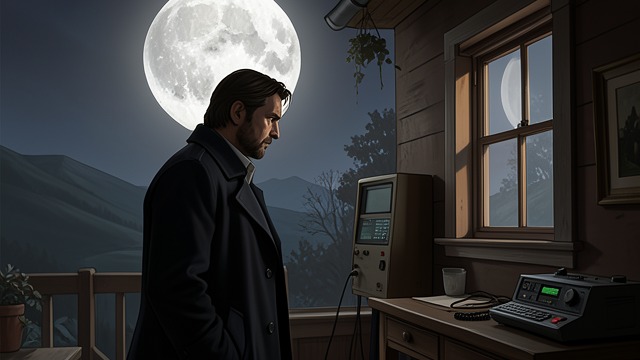
The policeman points the way Harold was already going, but the decisive clue comes later from Harold's memory of the Moon and his bedroom window. The connection is more useful than a generic direction.
Return without a map
Harold makes his bed and settles down after recalling where the window belongs. The route home is finally secured by a familiar relation, not by the straight line that began the walk.
At the outset, before the shortcut
Early in the journey, as Harold leaves the straight path
At the close, when Harold recalls the window's location
